Dignity, Convenience, and a More Compassionate Public Space
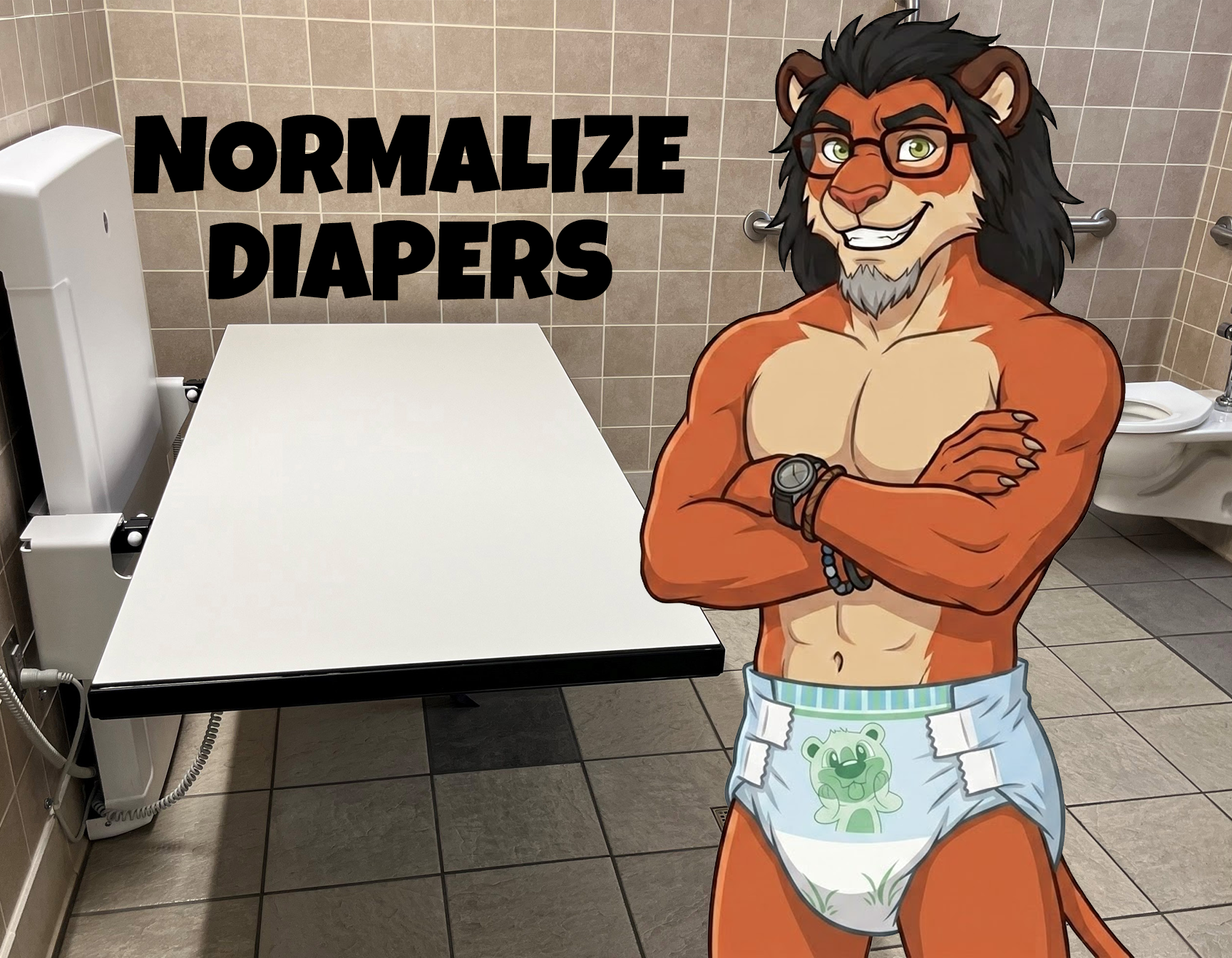
There’s something quietly heartbreaking about watching people endure discomfort, embarrassment, or even public humiliation simply to avoid one simple product: an adult diaper. I’ve seen it too many times — people rushing, clenching, or making risky choices because admitting a need for reliable protection feels like surrendering autonomy or self-respect. But here’s the truth I want more of us to embrace: wearing a diaper is not a failure. It’s not a loss of dignity. It’s a practical tool, just like any other personal care item. You don’t have to be elderly, disabled, or medically incontinent to benefit from one. Sometimes, life simply doesn’t offer convenient bathroom access, and that’s okay.
Recently, I witnessed an older man in his seventies desperately trying to relieve himself on a city street. A police car had just passed, and when I rounded the corner, he hurriedly zipped up — only to partially wet his jogging pants. My heart went out to him. Our city suffers from a severe shortage of public restrooms. The ones that do exist are often poorly maintained, frequently occupied or left unclean by those experiencing homelessness, and rarely serviced due to budget and staffing constraints. It’s sadly common to see people urinating in alleys or walking around in discomfort, hoping no one notices the evidence. Why do we accept this reality when better options exist?
The stigma around adult diapers runs deep. Many associate them exclusively with frailty or loss of control, so they become a last resort rather than a sensible choice. This cultural discomfort even shows up in surprising places. In a June 2026 interview with Kiss FM, singer Olivia Rodrigo shared her shock and fascination after noticing that dedicated fans at her concerts and festivals were wearing adult diapers to hold prime front-row spots without leaving. She compared it to the extreme dedication of Times Square ball-drop campers. Similar stories emerged from Taylor Swift’s Eras Tour and other major events. The revelation sparked heated online debates — some praised the commitment, others expressed disgust at the hygiene implications. Yet the conversation also planted seeds of curiosity: Could this actually be a reasonable strategy for long days out?
I believe we need a two-fold approach: openly challenging the stigma while creating real-world accommodations that make adult diapers a natural, accessible option for toileting needs.
Breaking the Stigma Starts with Mindset
There is nothing shameful about choosing comfort, confidence, and convenience. Adult diapers — especially modern, high-quality ones — can be discreet, comfortable, and effective for everything from heavy-duty protection to light insurance during travel, festivals, hikes, or simply long workdays. They represent freedom, not limitation. When we normalize them as valid personal care products (much like menstrual products have become more openly discussed and destigmatized in recent years), we reduce the pressure that forces people into awkward or unhygienic situations.
I’ve read many well-meaning guides and posts that reassure people, “Wearing diapers will be fine — everything will be okay.” While these messages come from a place of kindness, words alone often fall short of changing deeply rooted feelings. True mindset shifts happen through repeated, positive exposure and practical empowerment. The most effective way to break the stigma is by making high-quality adult diapers far more visible and accessible in everyday public and private spaces, while offering a broader range of options that fit comfortably within people’s personal boundaries.
When someone can walk into a store and discreetly select a product that matches their needs — without feeling like they’re crossing into a stigmatized category — they’re far more likely to make that choice. Nobody else has to know. Greater availability creates a gentle, normalizing feedback loop: the more people see quality options on shelves, the less unusual it feels. Retailers could play a powerful role by expanding selections beyond basic “disposable underwear” to feature thicker diapers with advanced odor control and subtle packaging that doesn’t scream “medical necessity.”
Additional solutions can support this cultural evolution. Media and influencers could highlight real stories of people using diapers for convenience — travelers on long flights, hikers on remote trails, parents managing busy days, or concert fans prioritizing joy over bathroom logistics. Educational campaigns, similar to those that successfully reduced shame around menstrual health, could emphasize that using protection is an act of self-care and responsibility. Workplaces and event organizers might include adult care products in wellness kits or restrooms, signaling that these needs are ordinary and supported. Over time, these small but consistent steps help reframe adult diapers from something hidden in shame to a smart, everyday tool that enhances autonomy and dignity.
Practical Solutions: Availability and Infrastructure
We inadvertently reinforce stigma when premium options are hard to find. Most major grocery stores and pharmacies carry adult care products, but selection has narrowed significantly. Stores favor slim, light-absorbency “disposable underwear” styles that feel less “diaper-like” to hesitant consumers. Bulkier, high-capacity tab-style briefs designed for heavier needs are often relegated to specialty medical suppliers or online orders. This creates a barrier: what if you’re out and about right now and realize you need reliable protection? Shipping takes time, and urgency doesn’t wait.
Making quality adult diapers readily available in physical retail spaces is an important first step. Retailers could expand shelf space for a wider range of absorbency levels and styles, treating them with the same normalcy as other hygiene products. Discreet packaging and clear, non-stigmatizing labeling would help tremendously.
Even more impactful would be installing personal care vending machines in public restrooms. We already have tampon and pad dispensers in many restrooms, schools, and workplaces—modern units are ADA-compliant, easy to restock, and increasingly free or low-cost to promote equity. Why not extend this to adult diapers? Imagine clean, well-maintained vending machines offering discreet “care packages”: a quality diaper, disposal bag, wipes, and other changing accessories. Users could purchase what they need, step into a stall, and handle things privately with dignity. This would be especially valuable in parks, transit hubs, concert venues, stadiums, tourist areas, and long-haul rest stops—anywhere people spend extended time without easy bathroom access.
To take this further, we should thoughtfully redesign public restrooms to better support changing needs. Accessible stalls designated for people with disabilities could double as comfortable adult diaper changing stations. Wall-mounted changing tables—such as those manufactured by Koala Kare, which I’m particularly impressed by—could unfold to provide a sturdy, hygienic surface. These stations should be positioned low enough that users don’t have to climb, with adjustable heights that can lower nearly to floor level. This enables safe, dignified transfers from wheelchairs for both the individual and their caregiver. Free disposable underpads could be made available in these stalls to line the surface, ensuring cleanliness and ease of use for everyone.
Such thoughtful infrastructure would benefit a wide range of people: seniors, individuals with mobility challenges, caregivers, parents, festival-goers, travelers, and anyone facing situational needs. It would reduce public accidents, ease pressure on overburdened restrooms, and represent genuine progress toward accessibility and ADA compliance.
A More Compassionate Future
Normalizing adult diapers is about expanding options so that no one has to choose between discomfort, embarrassment, or public messes. It’s about building a society where personal needs are met with practical compassion rather than judgment.
As someone who writes about and celebrates this community, I’ve seen firsthand how freeing it can be when shame falls away. Whether for medical reasons, lifestyle choice, or simple convenience, adult diapers can enhance autonomy rather than diminish it. Let’s push for better retail availability, innovative restroom solutions, and open conversations that treat this topic with the maturity and empathy it deserves.
The man on the street didn’t need judgment — he needed options. So many others do too. By making quality diapers easy to access and reframing them as a smart, stigma-free choice, we take a meaningful step toward a more understanding, practical, and dignified world.
| What do you think? Have you faced situations where better diaper access would have made a difference? I’d love to hear your thoughts on social media. Tag me on Bsky at @crinklecattales.com and share your comments! Together, we can help shift the conversation. |