
| This is a sponsored post for NorthShore Care Supply. Crinkle Cat Tales earns a small commission every time you click on links featured in this article. |
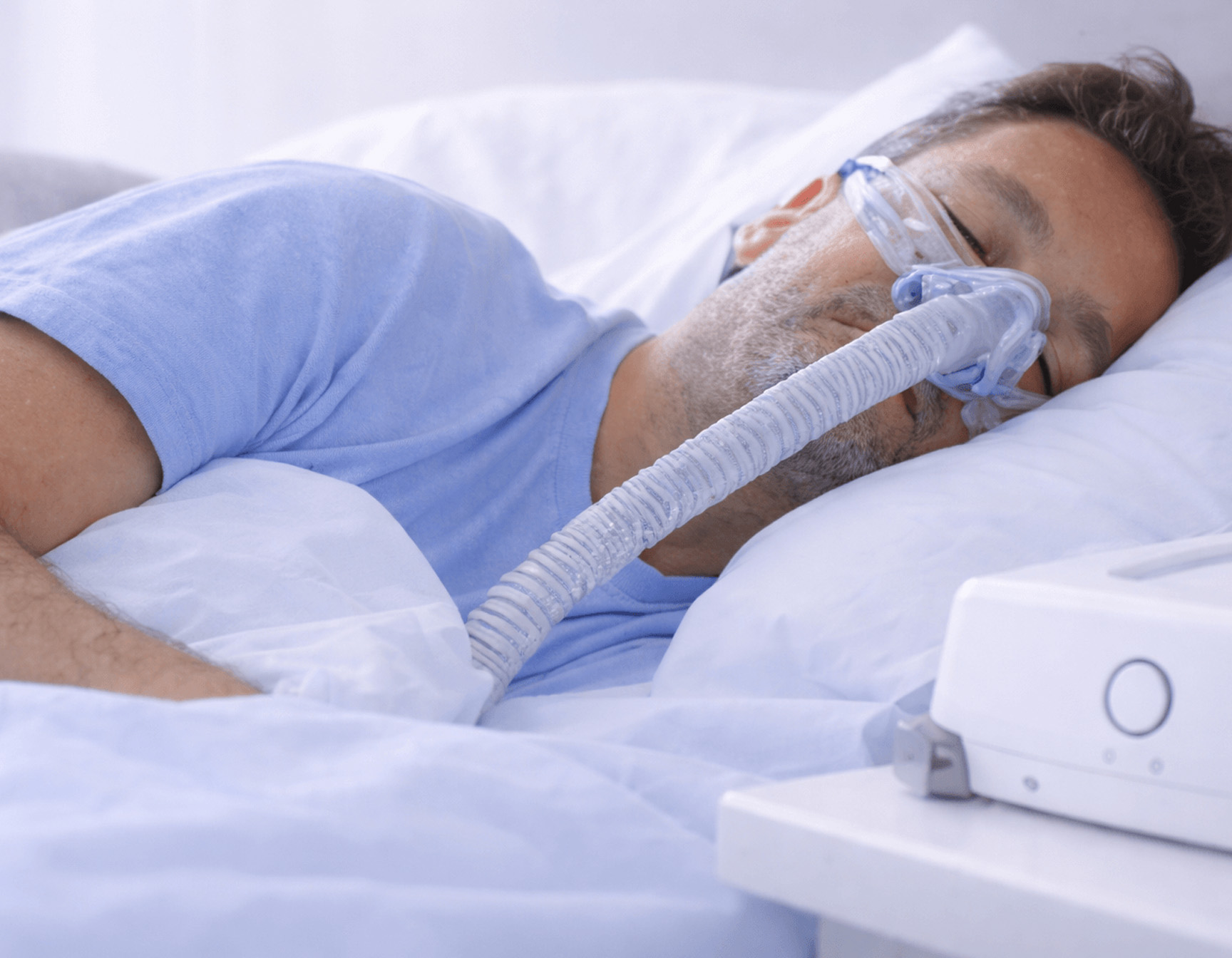
If you’ve been diagnosed with sleep apnea and suddenly find yourself dealing with nighttime accidents or increased urgency, you’re not alone. The answer is yes — sleep apnea can cause or worsen urinary incontinence, including bedwetting in adults. Many people are surprised by this connection, especially those who previously had strong bladders.
How Sleep Apnea Triggers Incontinence
Obstructive sleep apnea (OSA) repeatedly interrupts breathing during sleep. When oxygen levels drop, your body goes into stress mode. One of the key responses is the release of atrial natriuretic peptide (ANP) from the heart. This hormone tells your kidneys to produce more urine, increasing the volume in your bladder overnight.
At the same time:
- Mouth breathing from apnea episodes leads to dehydration and dry mouth, prompting heavy daytime fluid intake.
- The physical straining and “fight-or-flight” gasping for air puts direct pressure on the bladder.
- Poor sleep quality and fragmented rest further reduce your body’s natural ability to stay continent during deep sleep.
The result? More urine production + bladder pressure + reduced arousal from deep sleep = higher chance of wetting the bed, even if you’ve never had issues before.
My Personal Experience with Sleep Apnea and Bedwetting
Last month I received a formal diagnosis of mild obstructive sleep apnea after years of unexplained lethargy, daytime sleepiness, and waking up feeling like I’d barely rested. I had chalked it up to laziness or low motivation, but I still enjoyed life — my energy was just gone.
What shocked me most was the new onset of nighttime incontinence. Despite a historically strong bladder and constant diaper use for IBS, I started having more regular bedwettings. The combination of high fluid intake (7–8 bottles of water during the day to combat dry mouth) and the physiological effects of apnea episodes created the perfect storm.
Thankfully, I was already prepared. I alternate between high-capacity disposable underpads on the bed and reliable plastic pants over my diapers on drier nights. It turned what could have been a stressful situation into something manageable and low-drama.
Managing Sleep Apnea-Related Incontinence Effectively
Treating the root cause (CPAP, lifestyle changes, or other doctor-recommended therapies) is essential, but protecting yourself at night is equally important for peace of mind and better rest.
This is where quality products make all the difference. I rely on NorthShore Care Supply for dependable, high-performance protection that handles heavy nighttime use without leaks or discomfort:
- NorthShore GoSupreme Briefs or MegaMax for maximum absorbency — perfect for heavy flooding episodes caused by increased urine production.
- Disposable Underpads for extra bed protection — I use these under sheets for easy cleanup and peace of mind. I personally use NorthShore MagicSorb Air Breathable Disposable Bed Protectors.
- Plastic Pants (vinyl or PUL) over diapers on nights when humidity isn’t an issue — they add a reliable waterproof layer and that classic AB/DL feel.
- Stretchy, breathable covers and boosters for customized capacity when needed.
NorthShore’s products are designed with real users in mind — soft, quiet, and capable of handling the extra volume that sleep apnea can create. They’ve been a game-changer for turning potential disasters into non-events.
Additional Tips for Better Nights
- Stay consistent with your CPAP or treatment plan — better oxygen levels often improve continence over time.
- Time your fluids wisely — hydrate more earlier in the day and taper off closer to bedtime when possible.
- Use reliable protection every night — even “just in case” nights can surprise you with apnea.
- Track symptoms and discuss them with your sleep specialist and urologist — incontinence is a recognized comorbidity of untreated OSA.
The Bottom Line
Yes, sleep apnea can definitely cause incontinence through hormonal changes (ANP), increased urine production, and physical stress on the bladder. If you’re experiencing this, know that it’s a medical side effect — not a personal failing — and it’s highly manageable.
Whether you’re new to diapers, an experienced AB/DL wearer, or simply looking for discreet, effective protection, investing in high-quality products from NorthShore Care Supply can restore confidence and improve sleep quality dramatically.
If you’re dealing with sleep apnea and incontinence, explore NorthShore’s full range of adult diapers, briefs, and protective bedding. Your nights (and mornings) will thank you.
Sweet dreams and dry mornings are still possible — even with sleep apnea.